“… I believe that each of us, after years of working in theatre, is obliged one day to admit to ourselves that the phenomenon called theatre is devoid of meaning…”
— Jerzy Grotowski
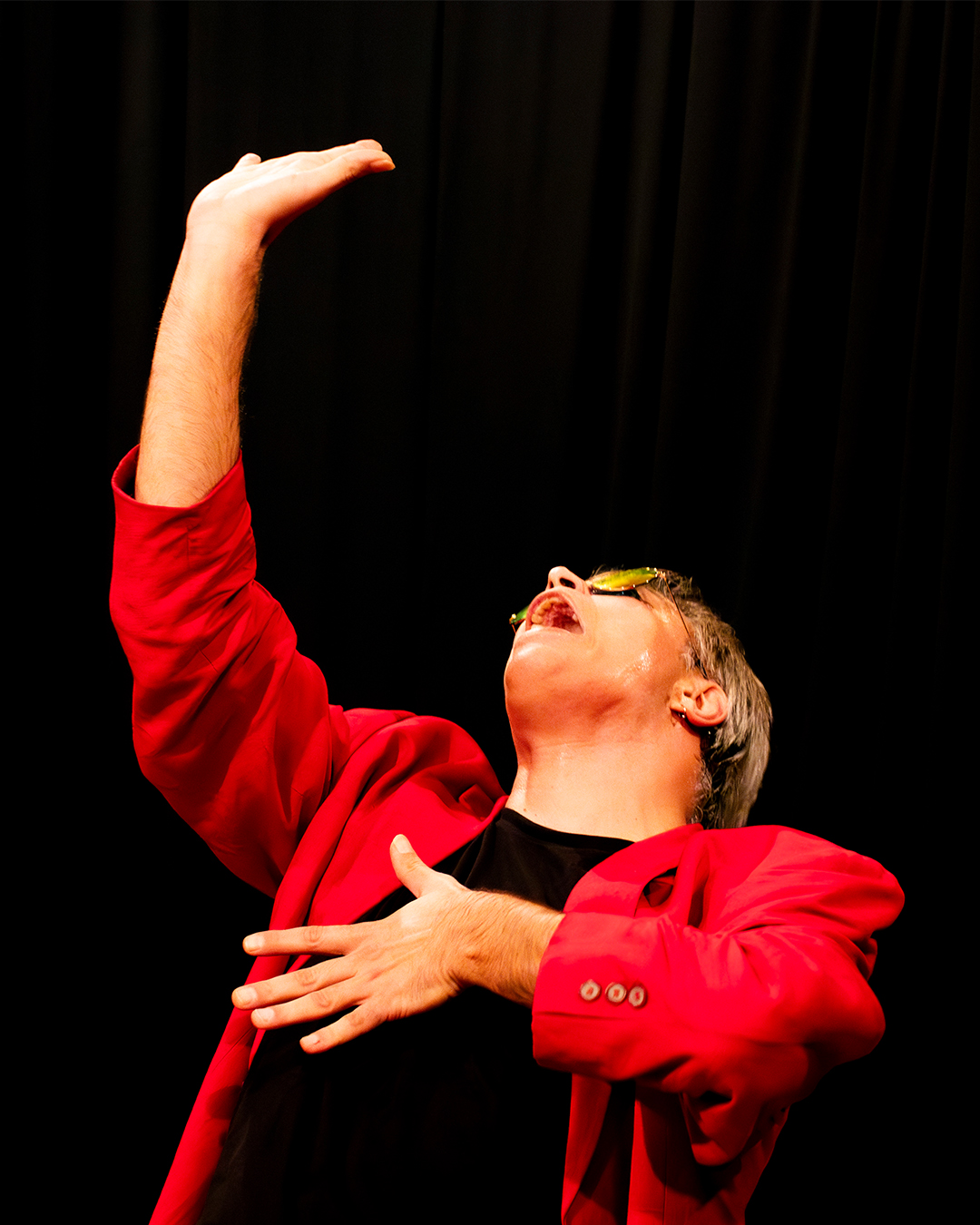
Written and directed by: Nenad Čolić
Assistant Director: Maša Jelić
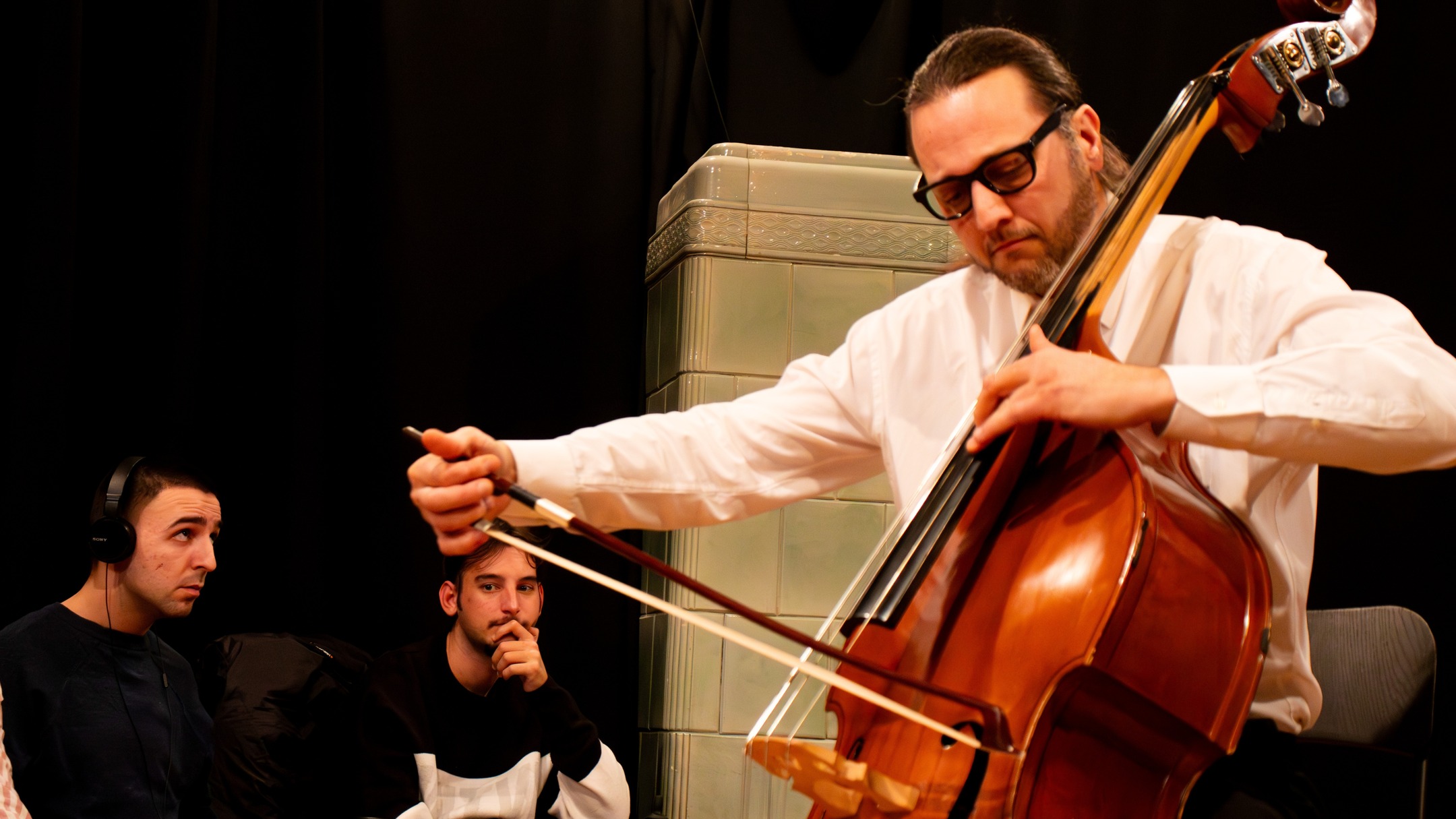
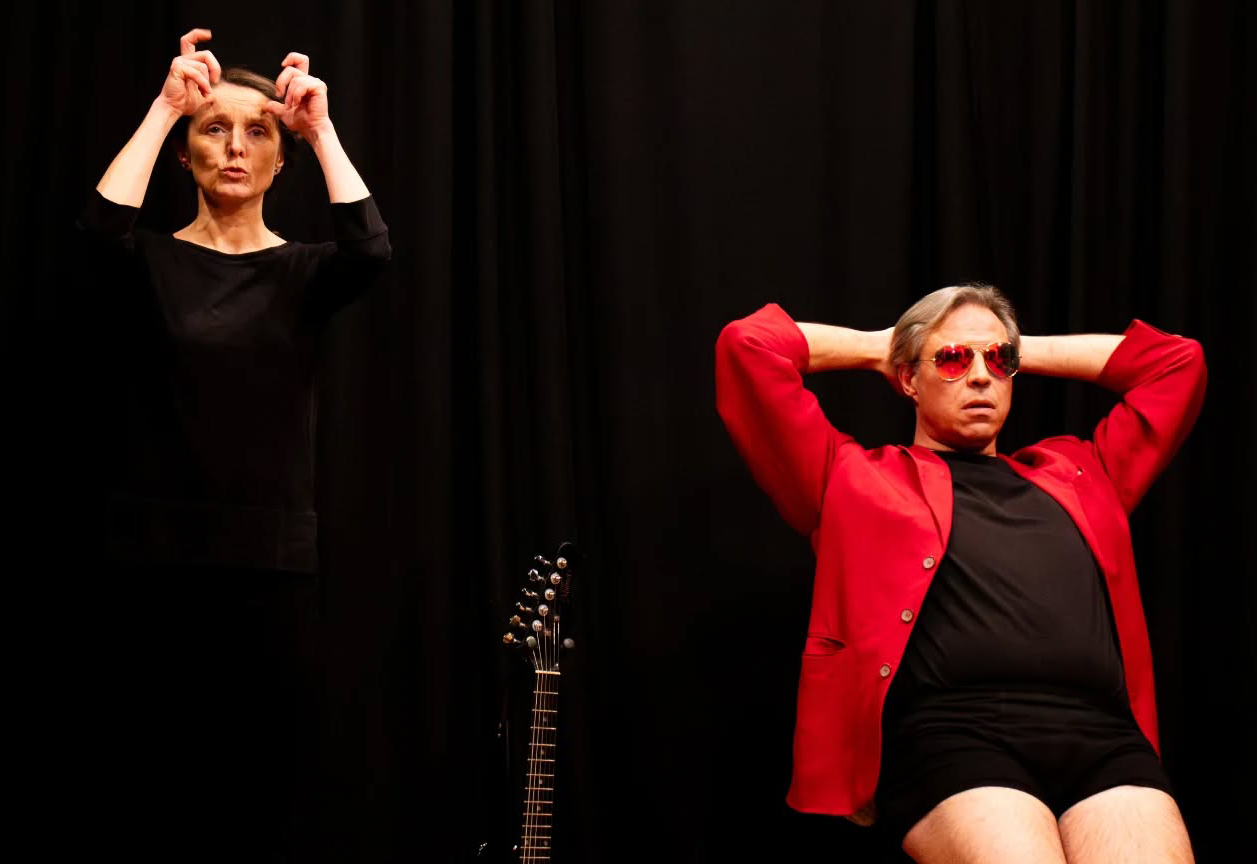
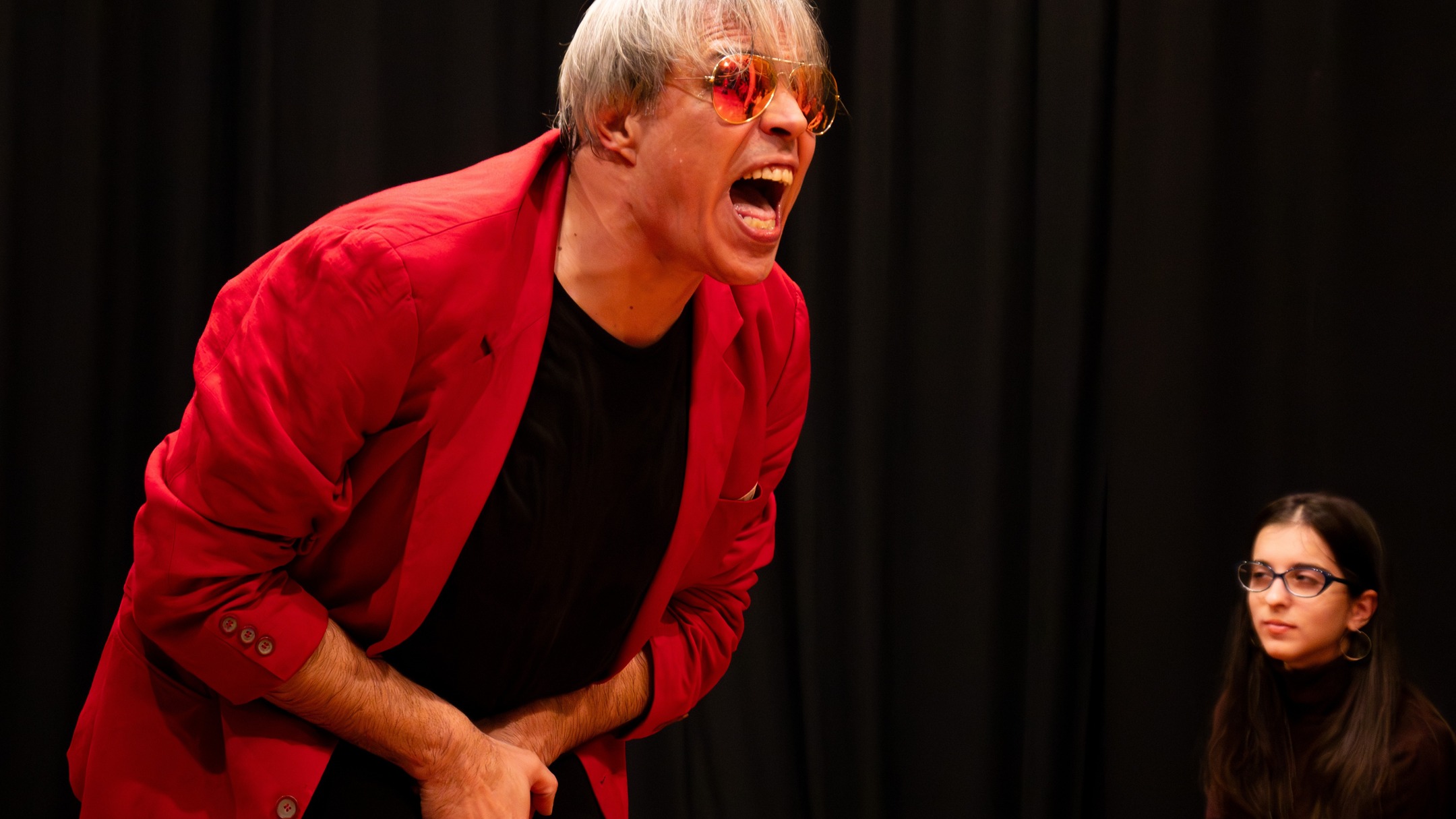
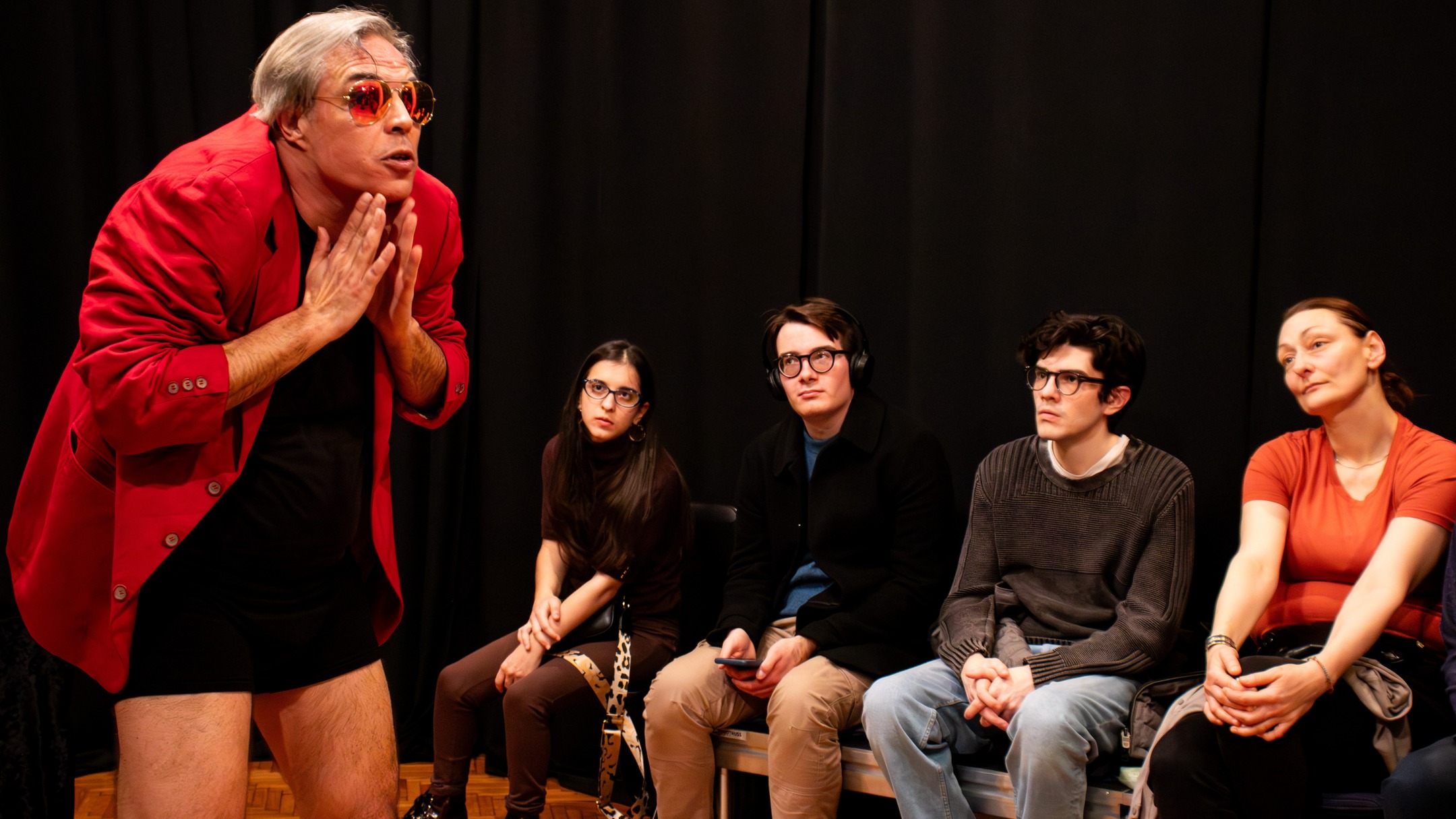
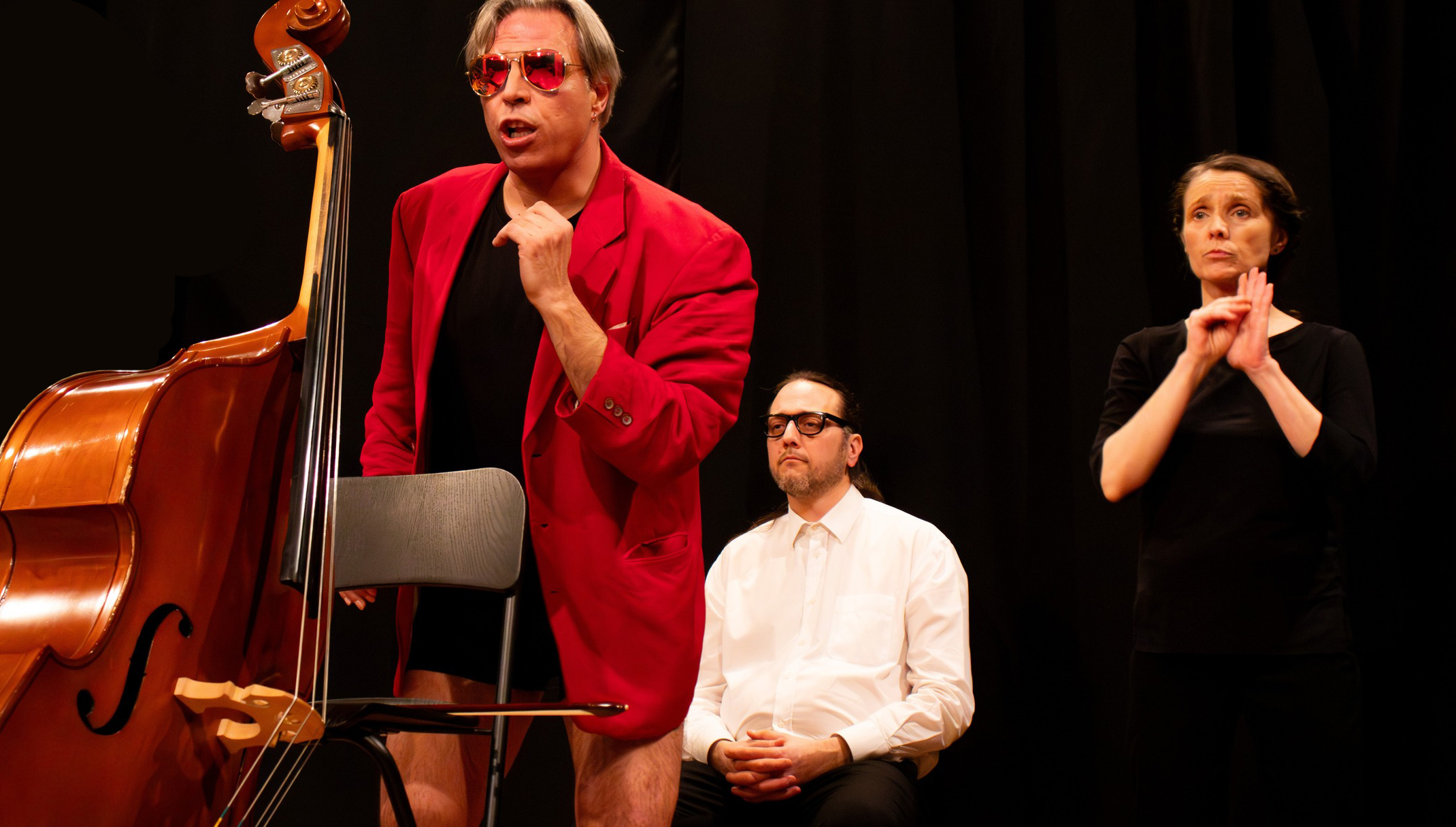
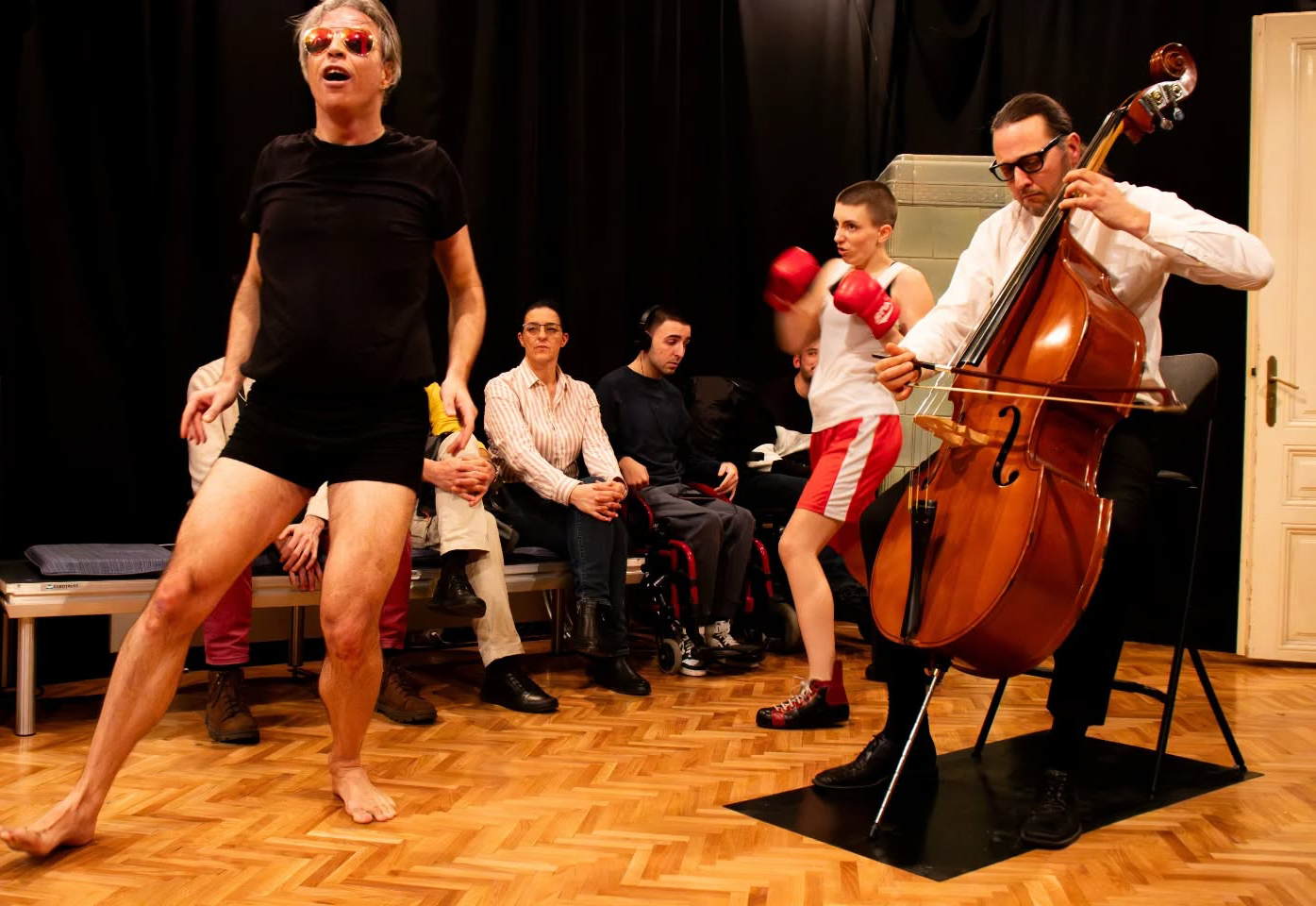
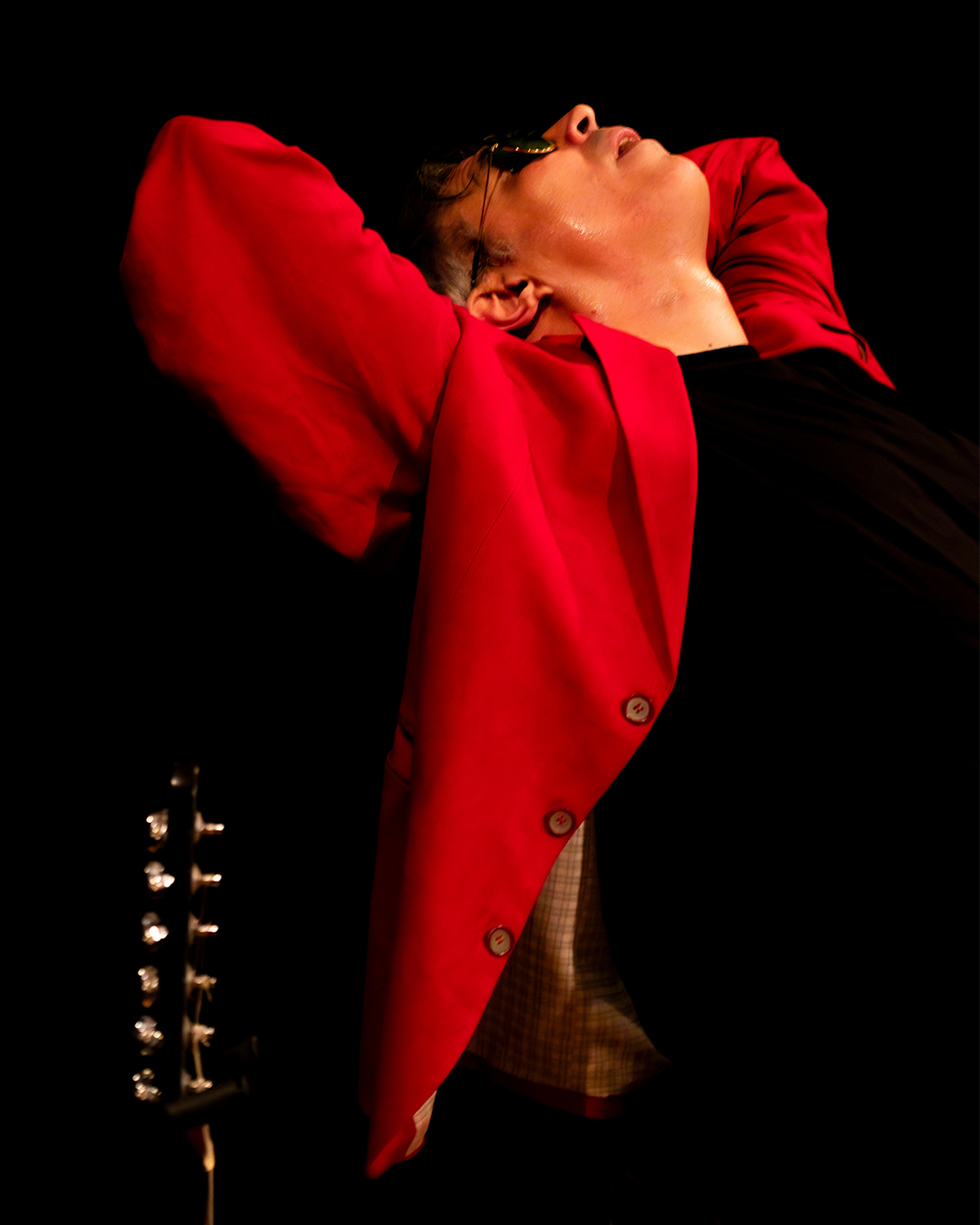
Performed by: Dejan Stojković, Marko Potkonjak, Vera Jovanović, Vesna Ilić
Set, Costume and Visual Design: Ivana Čolić
Executive Director: Dubravka Vujinović
Photography: Dragan Mihajlović
Texts used in the performance: Excerpts from “Such As You Are, Whole” — a transcript of Jerzy Grotowski’s 1970 meeting with students, professors, actors, and directors at New York City Hall; excerpts from the Diaries and from the chapter “The Devil. Ivan Fyodorovich’s Nightmare” from the novel The Brothers Karamazov by Fyodor Dostoevsky; as well as original texts by the director.
Special thanks to: Ivana Obradović.
Polish director and theatre theorist Jerzy Grotowski permanently transformed the nature of theatre. During the 1960s, he pioneered a new vision of theatre that he called Poor Theatre. This idea of Poor Theatre inspired his student, Italian director Eugenio Barba, to establish the discipline of Theatre Anthropology, also known as Anthropological Theatre.
Thus, during the 1970s in Belgrade, within the framework of BITEF, the concept of the Third Theatre emerged. If the First Theatre refers to institutional theatre, and the Second Theatre to the so-called avant-garde, then the Third Theatre represents independent theatre groups that cultivate a laboratory approach in their work.
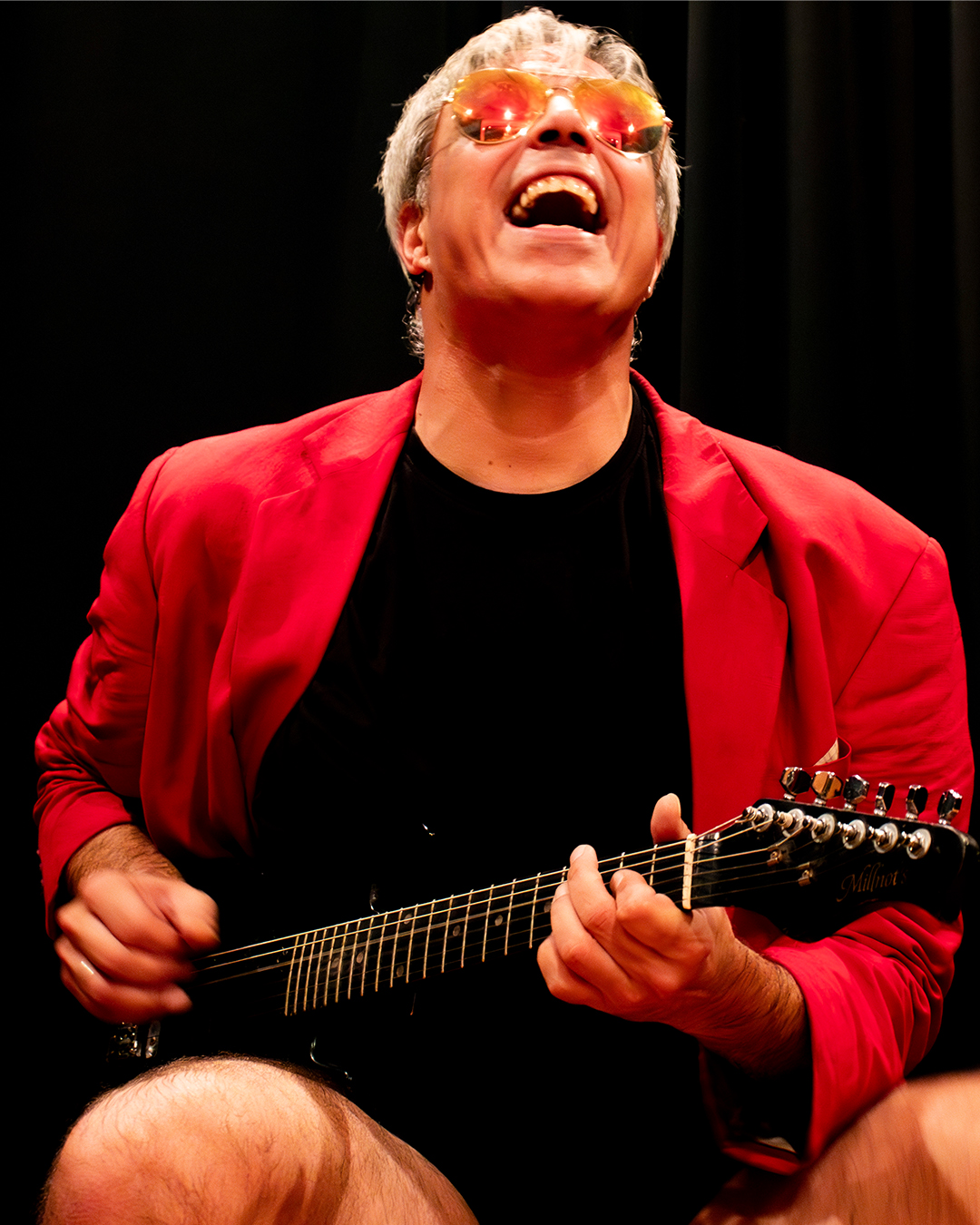
PLAVO Theatre draws directly on the principles of Poor Theatre. In this approach, the central focus is the human being—not only the human as such, but specifically the human as actor, or more precisely, as performer: a practitioner of a contemporary and authentic theatrical language. This is the essential pursuit.
In Poor Theatre, unlike conventional practice, theatre is not subordinated to literature. On the contrary, literature may or may not serve theatre, depending on the context of the creative process. The actor does not construct a character imposed by dramatic narrative, but may use elements of character only if they serve the process of uncovering and embodying their own real, organic, and truthful being—often hidden even from themselves. If the character proves unnecessary, it is discarded. What is sought instead is a deeper, personal figure of one’s own life. This “figure” is not acted—it simply is.
This process becomes a profound and often intense experience: a liberation from oneself, and at the same time a discovery of a need for “the other being” within. In encountering this inner other, one ceases, in a sense, to be “oneself” and instead identifies with that latent presence waiting to be embodied and made visible. This is a form of negation—first of oneself, and then of everything that surrounds us. A negation of meaning, but not of existence.
Through Grotowski, we encountered a new dimension of this negation: the phenomenon of non-doing. This idea proved both provocative and deeply rewarding, revealing that non-doing can open an entirely new dimension in theatre. It led us to explore a central question: what is the quality and result of action on stage if it originates from a position of non-doing—and then abandons that position? In other words, can action arise from non-action, or more precisely, how can action emerge through the abandonment of non-doing?
This inquiry also revealed that something essential and authentic can indeed be created in theatre—through renunciation, through negation, and through the concept of via negativa. By embracing the latent potential of theatrical “nonsense,” we can employ it in the creation of meaningful and serious theatrical events.
Grotowski once stated that one of his teachers was the great Russian writer Fyodor Dostoevsky. Members of PLAVO Theatre deeply relate to this idea and recognize Dostoevsky as a kind of spiritual teacher through his works and thought. It is worth noting that many have described him not only as an extraordinary writer, but also as a thinker, philosopher, anthropologist—and for some, even a prophet.
PLAVO Theatre defines itself as an Anthropological Theatre. Drawing on Dostoevsky and his prophetic qualities, we allow ourselves the lucid freedom to believe that all theatres of the future will become anthropological, or grounded in the principles of Poor Theatre. If this does not happen—if theatre loses its fundamental elements, such as the human actor, their craft, and their existential, sensory, and organic presence (not merely social or psychological)—then theatre itself may lose its reason to exist.
It is important to emphasize that conventional theatre lacks an autonomous artistic language independent from other arts, particularly dramatic literature. Anthropological Theatre offers one possible path toward developing a truly authentic language of theatrical expression—after more than two and a half thousand years of theatre history.
This performance is an expression of PLAVO Theatre’s gratitude to Jerzy Grotowski, whose work has been a constant source of inspiration. It is dedicated to all those who believe that Grotowski’s ideas may one day prove essential for the survival of theatre art.
(Nenad Čolić)